Hello everybody,
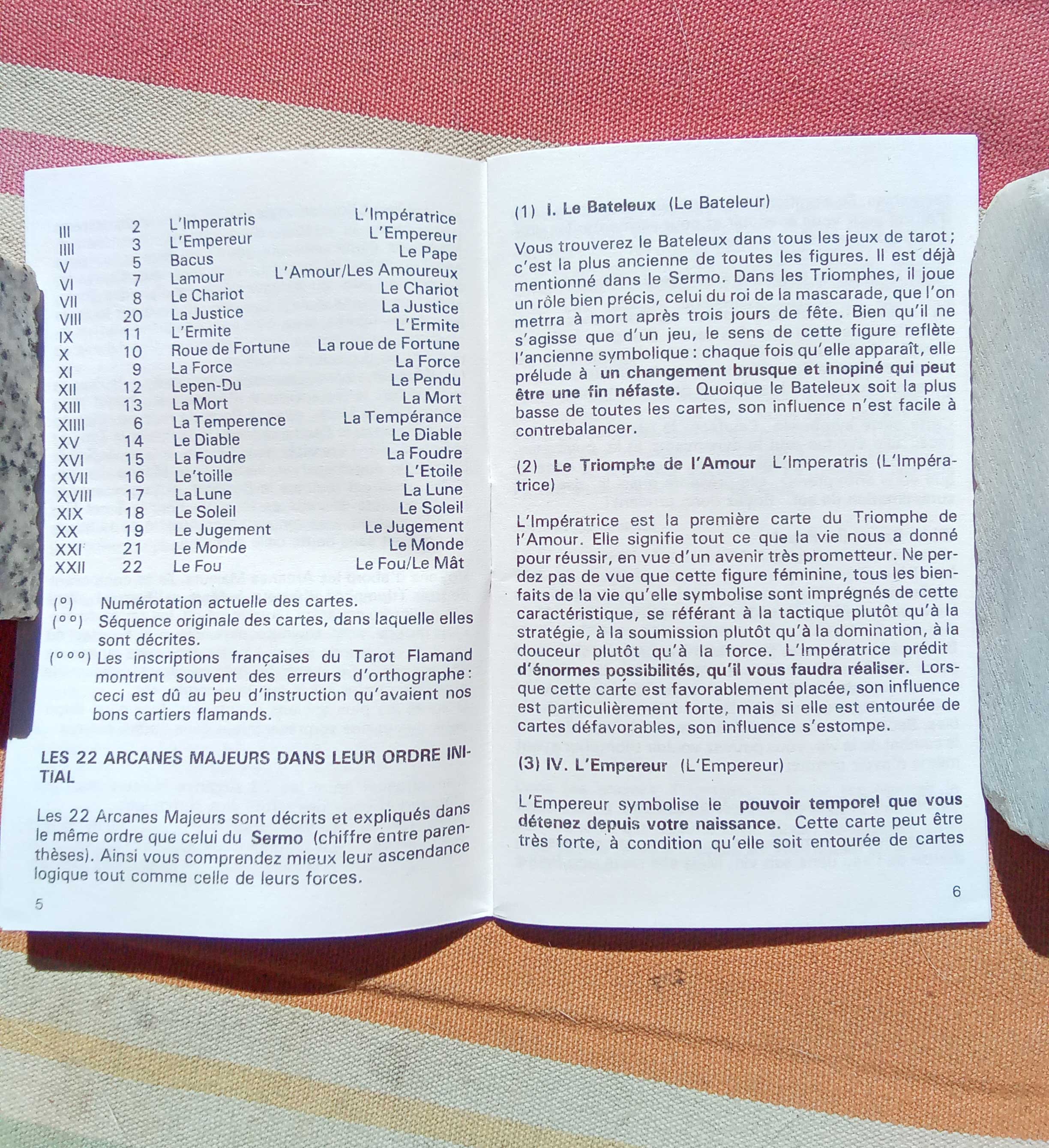
I recently acquired a Vandenborre Bacchus Tarot deck. It's slightly different from the Marsigliese one, with elements from the Vieville and the bolognese decks, misspellings, and Capitan Fracassa and Bacchus replacing the High Priestess and the Hierophant.
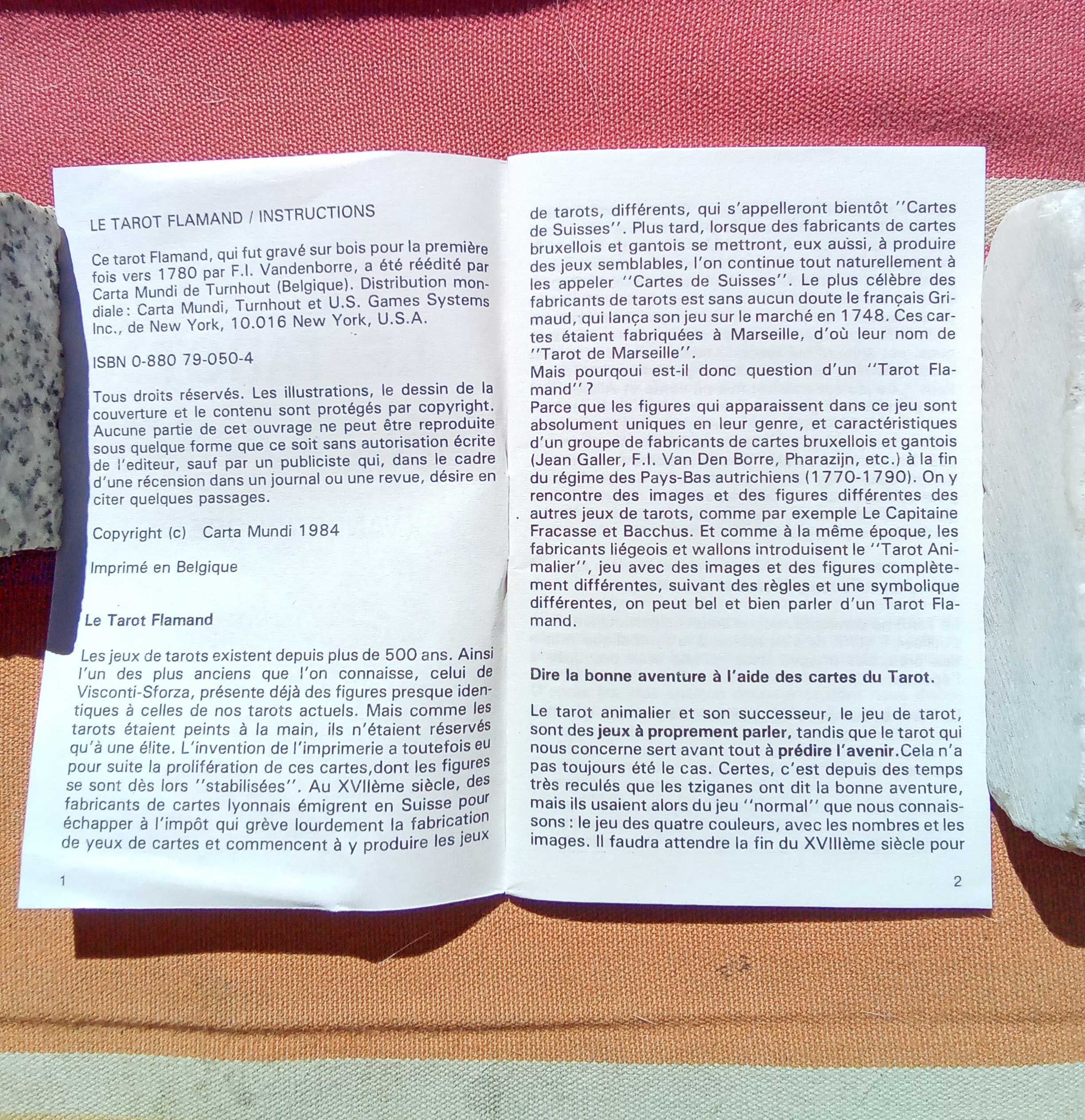
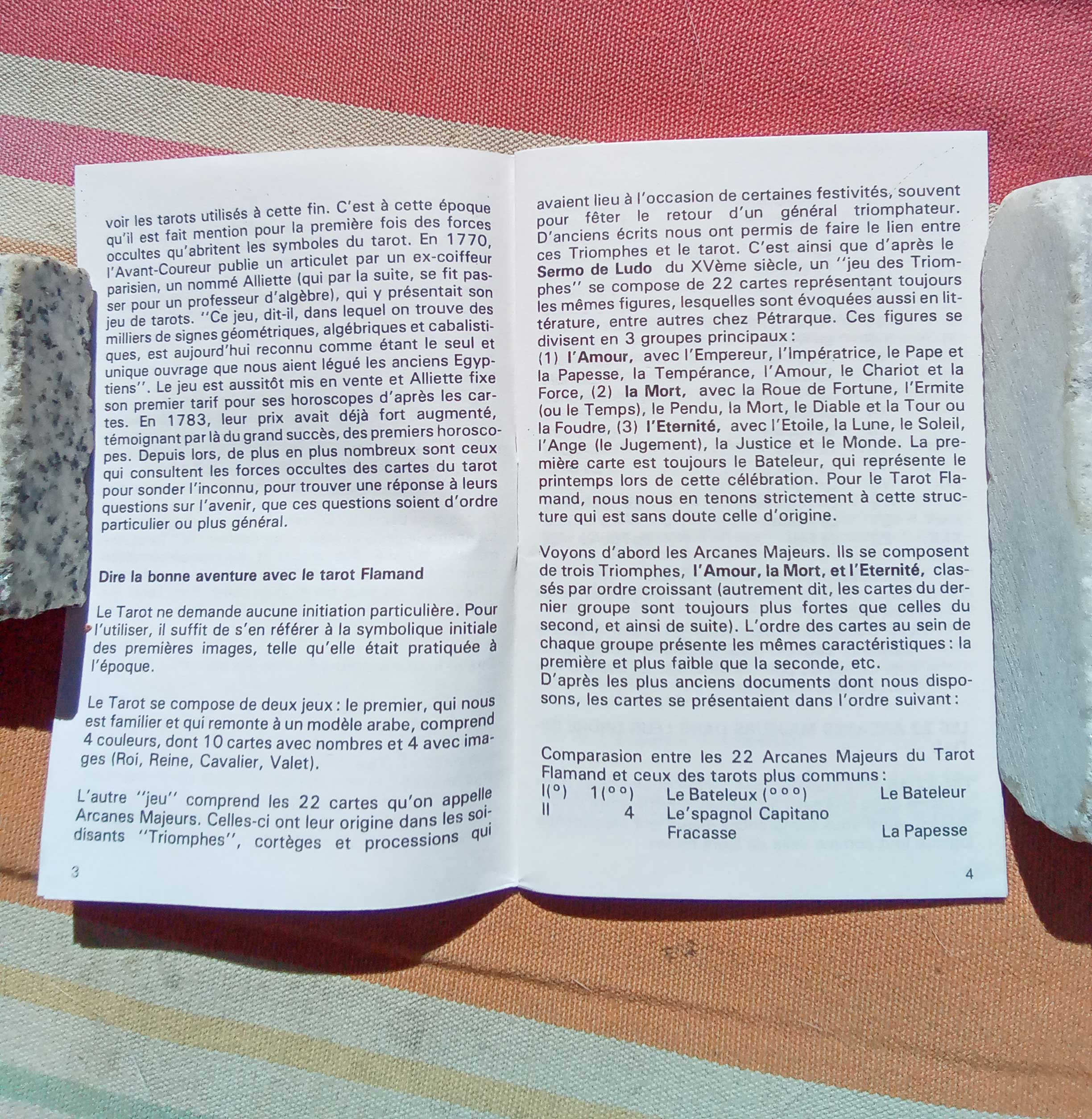
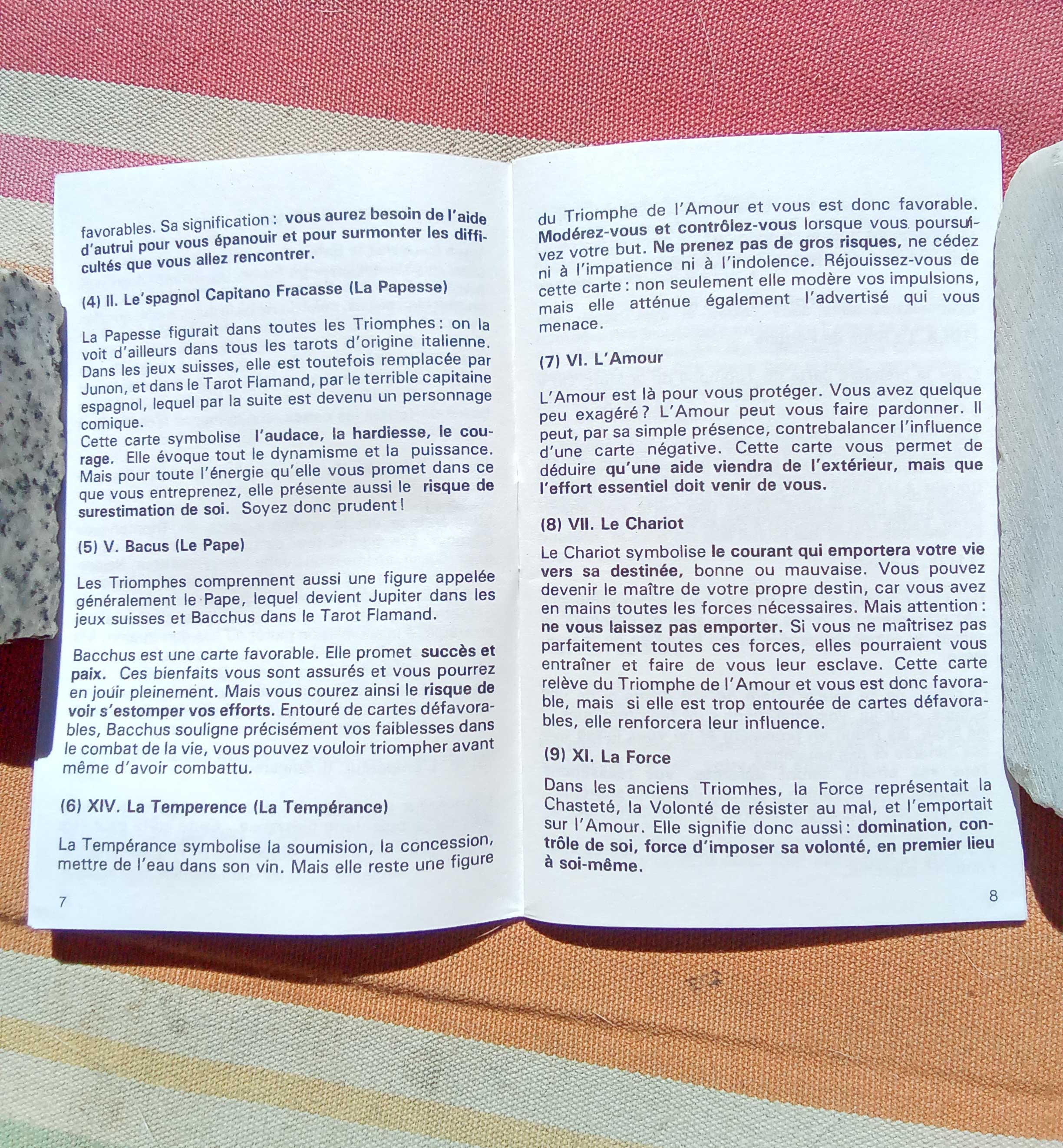
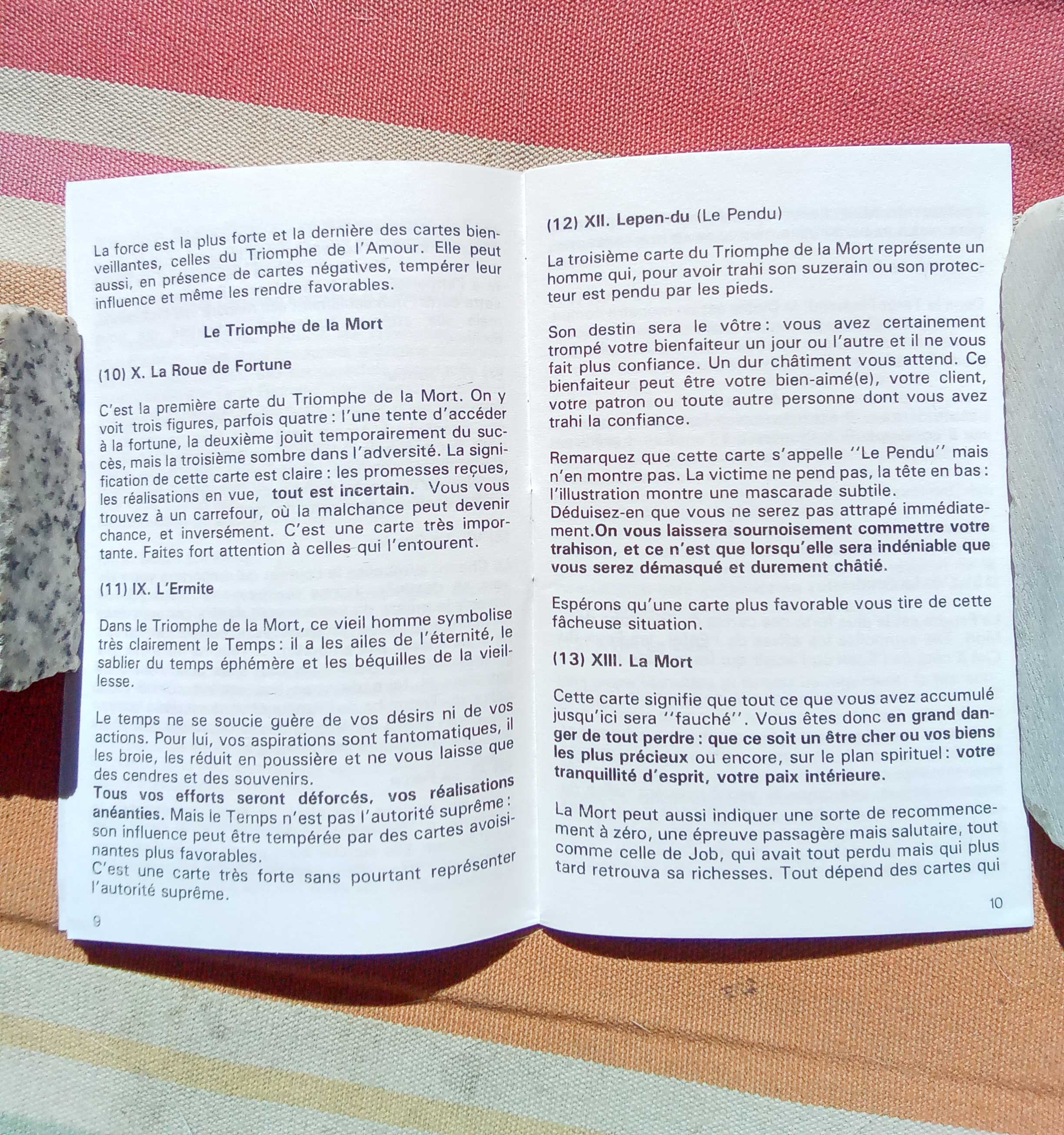
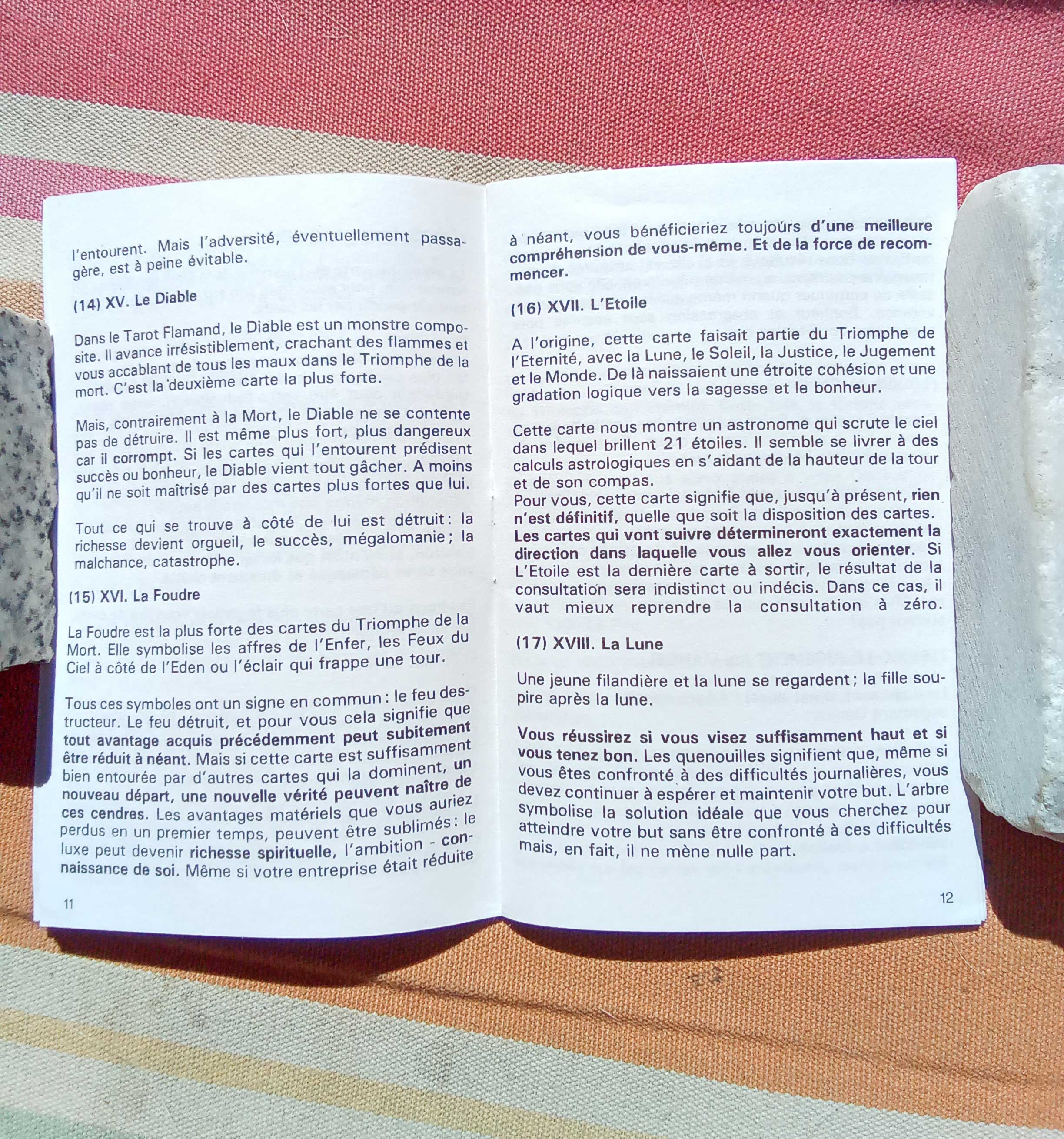
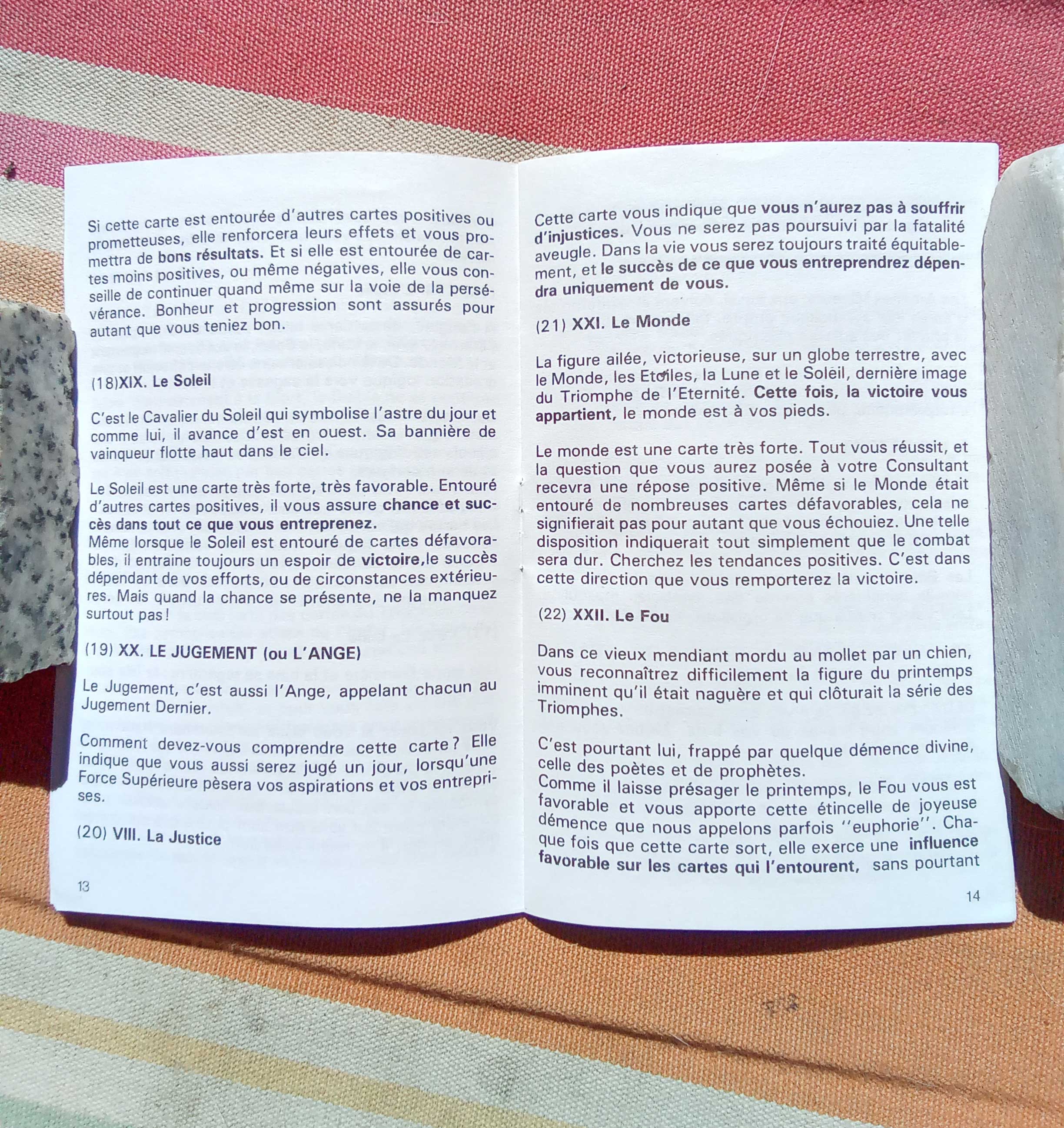
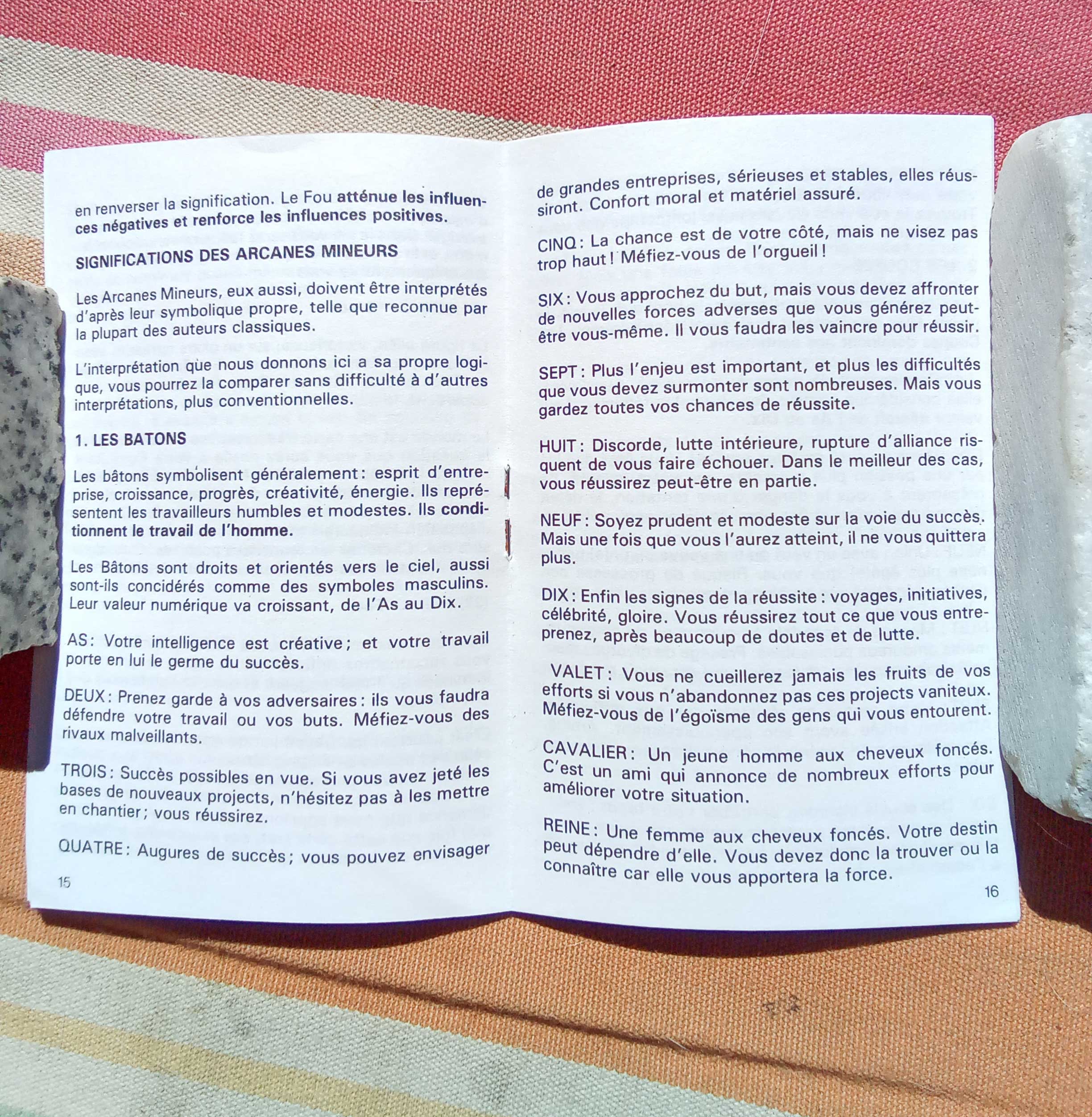
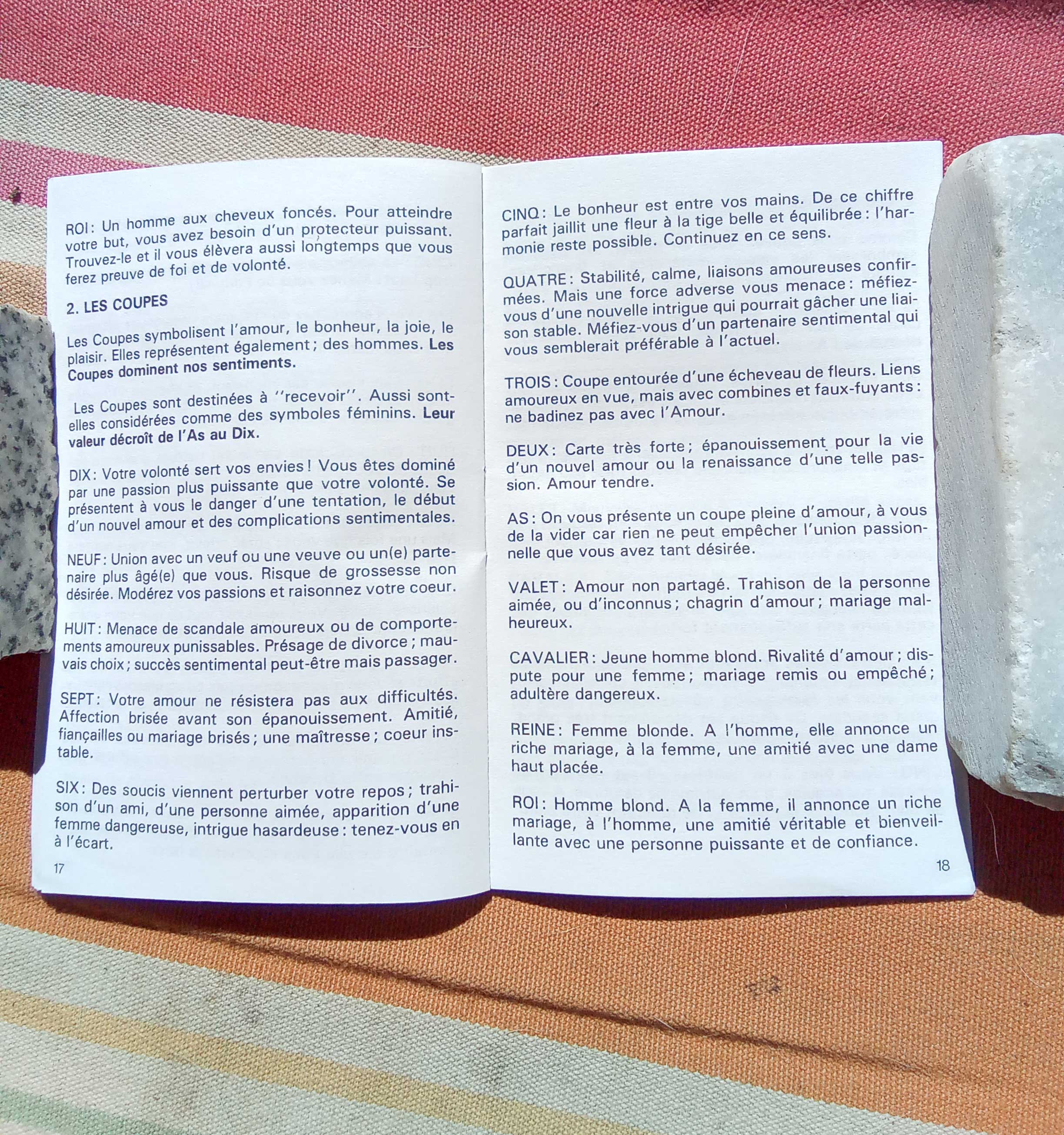
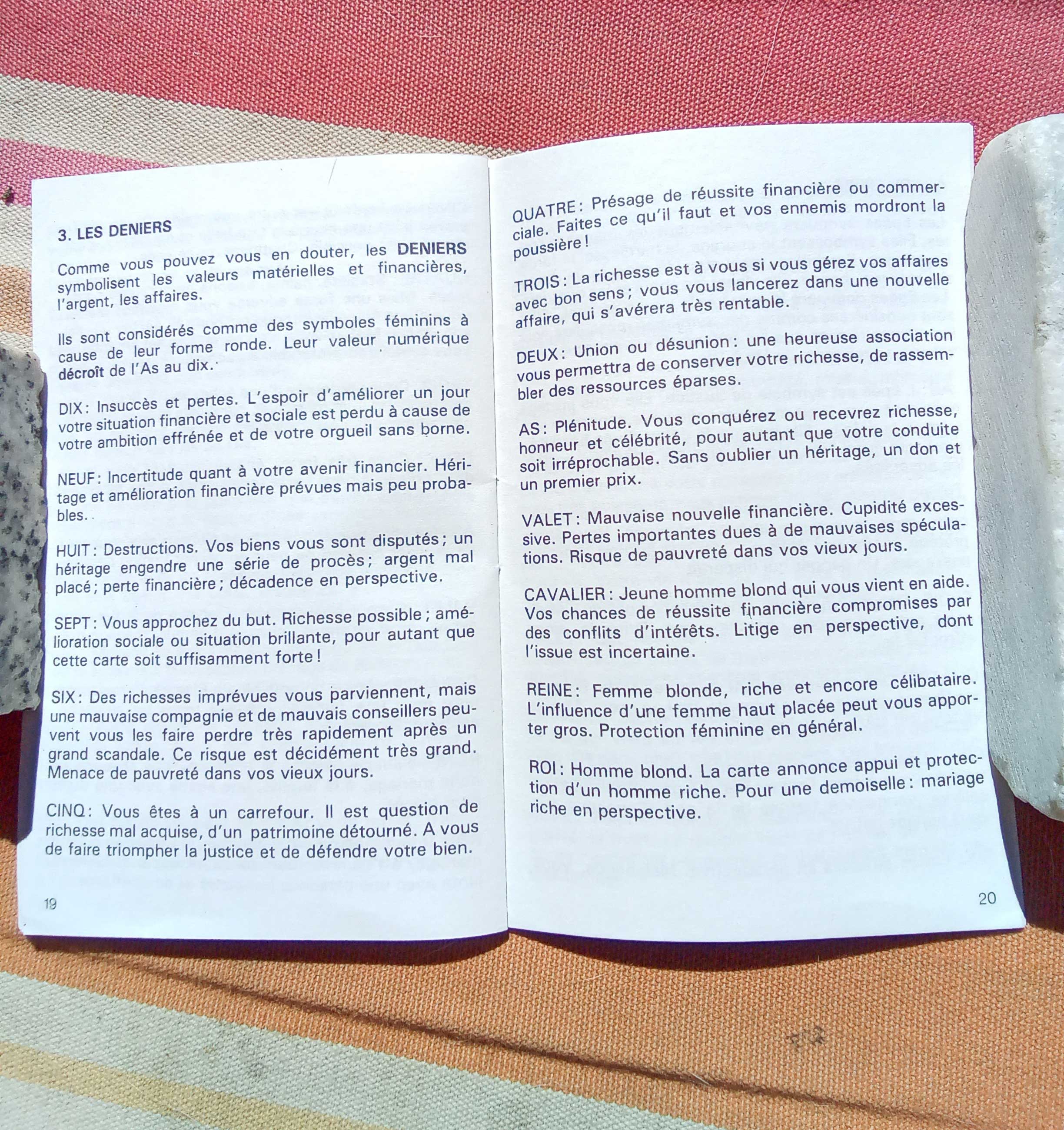
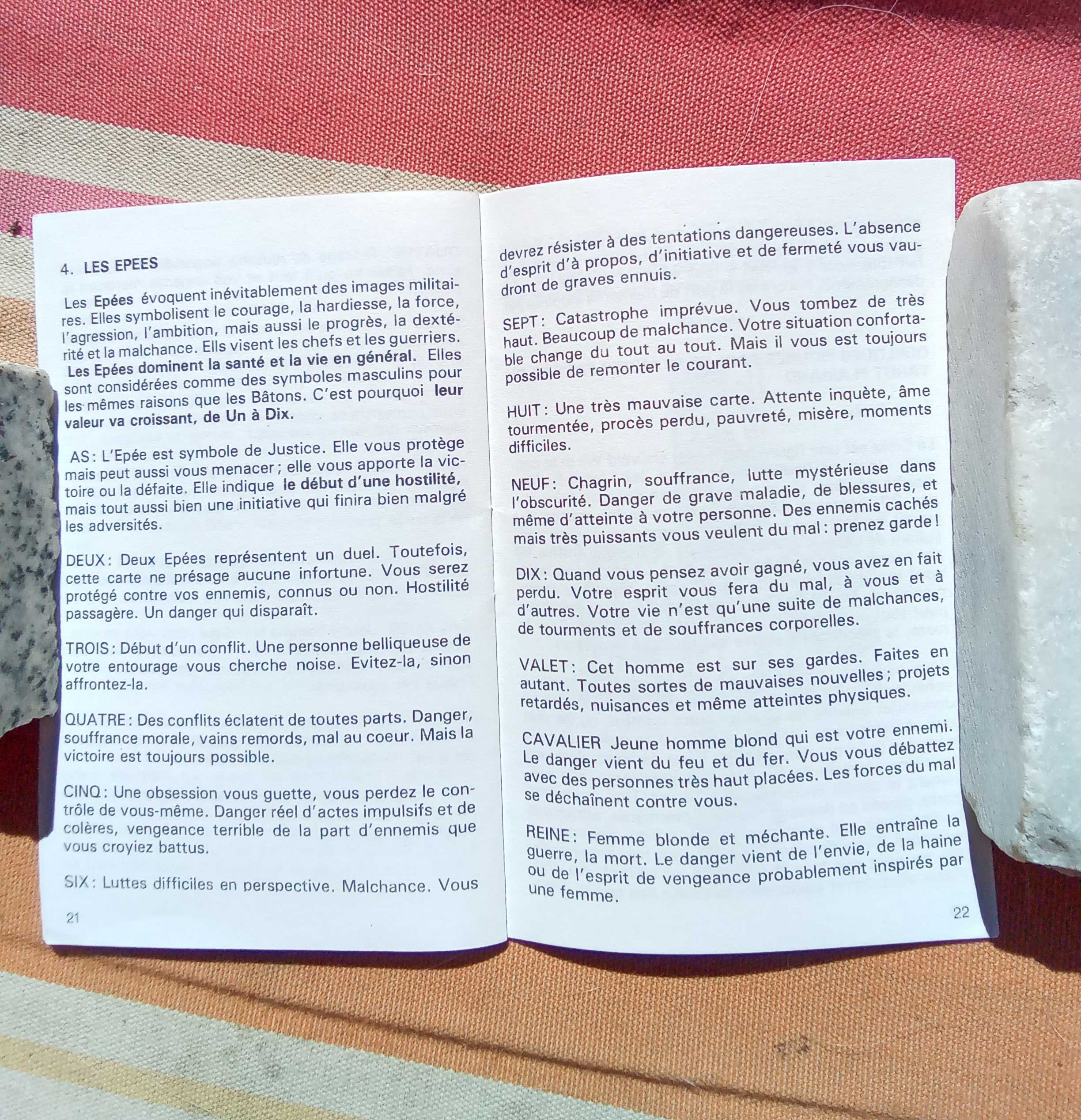
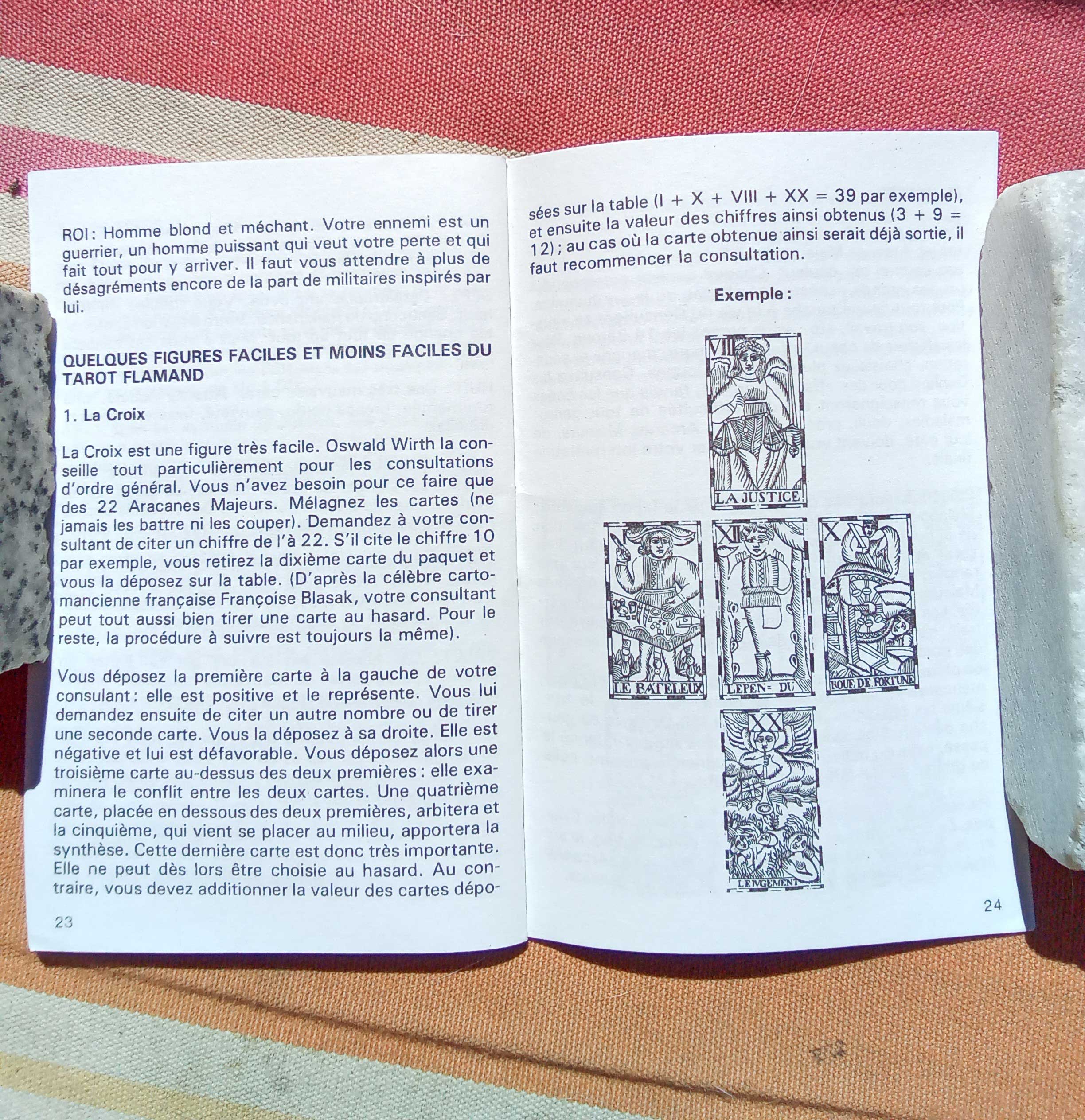
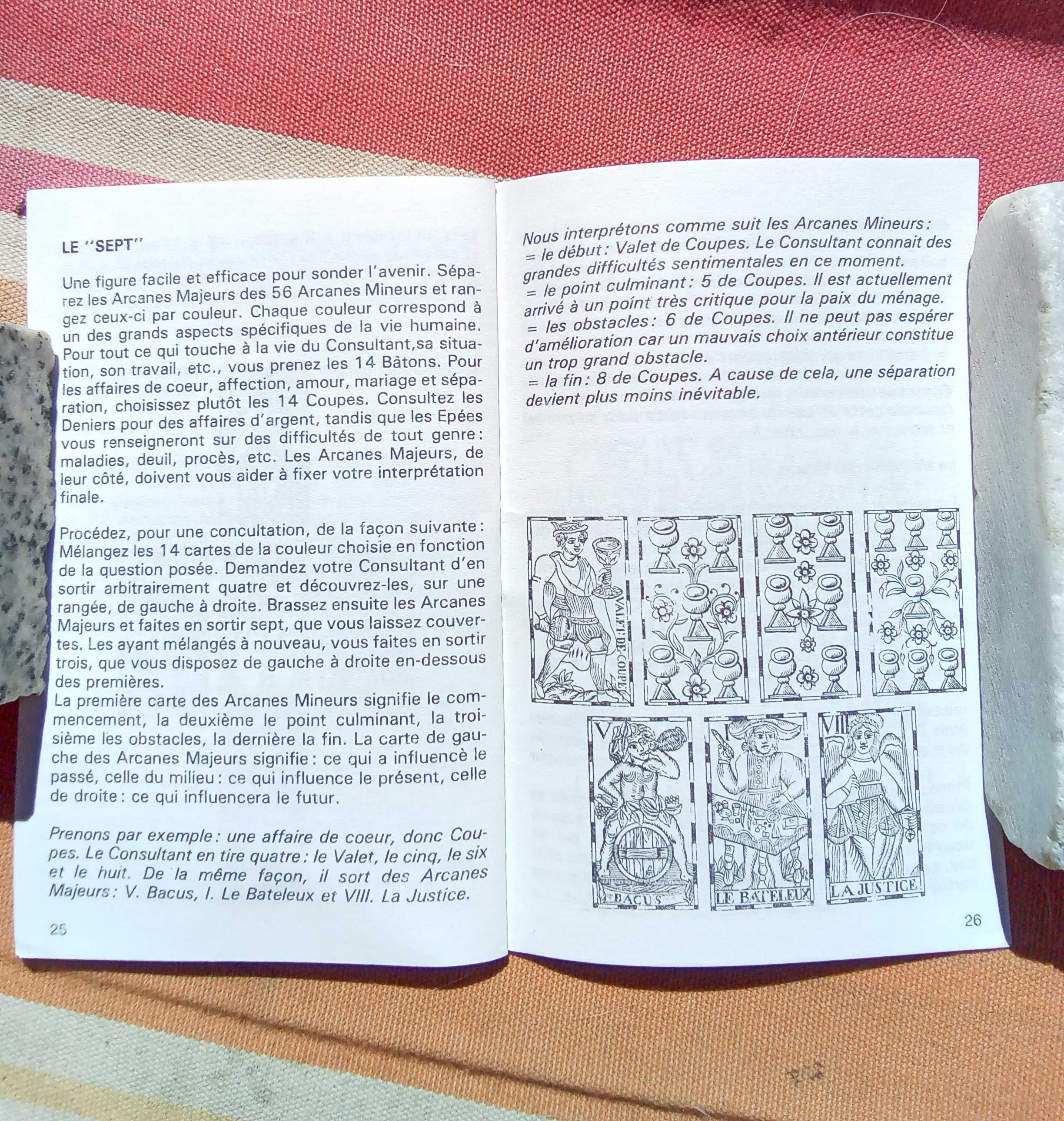
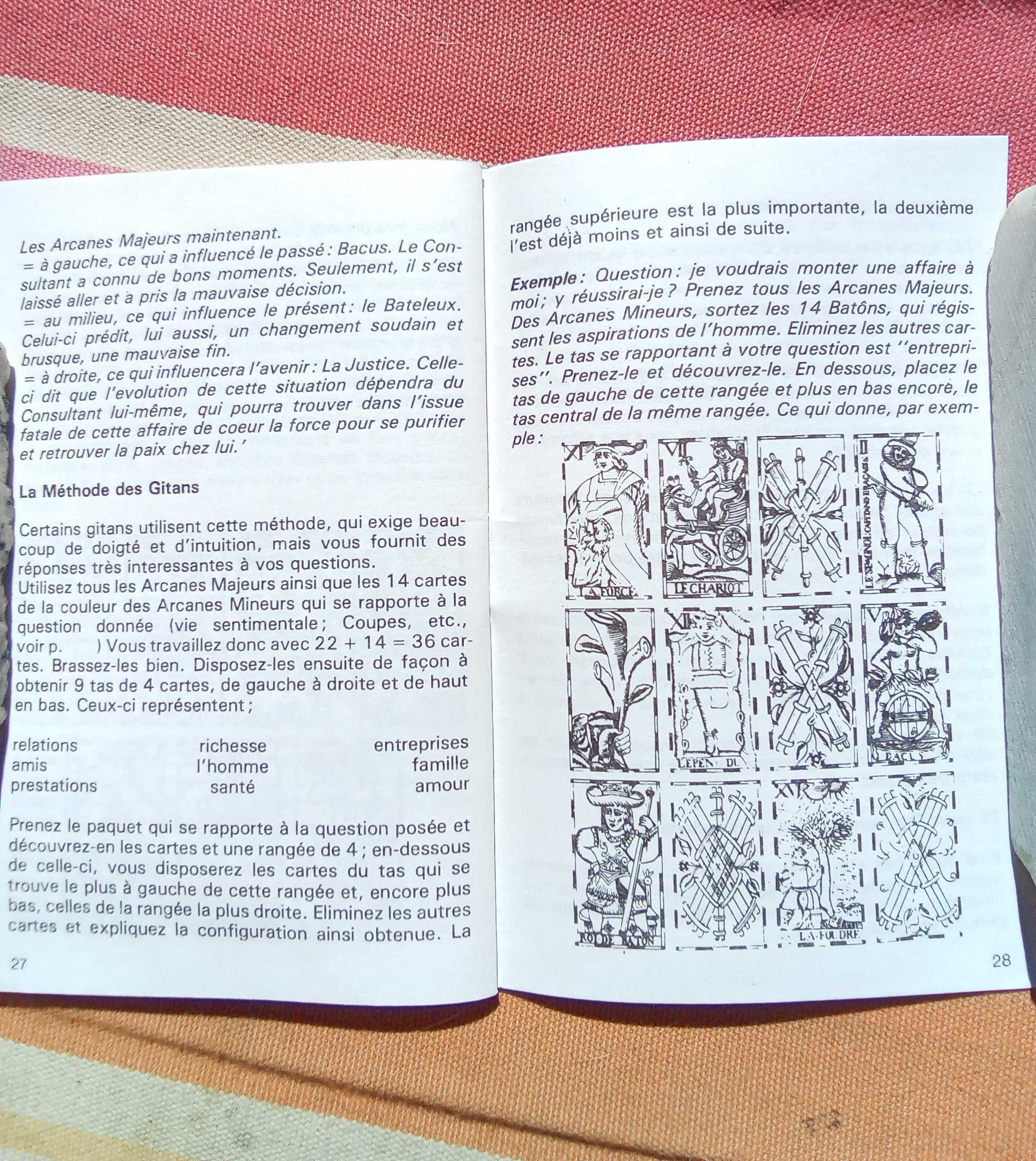
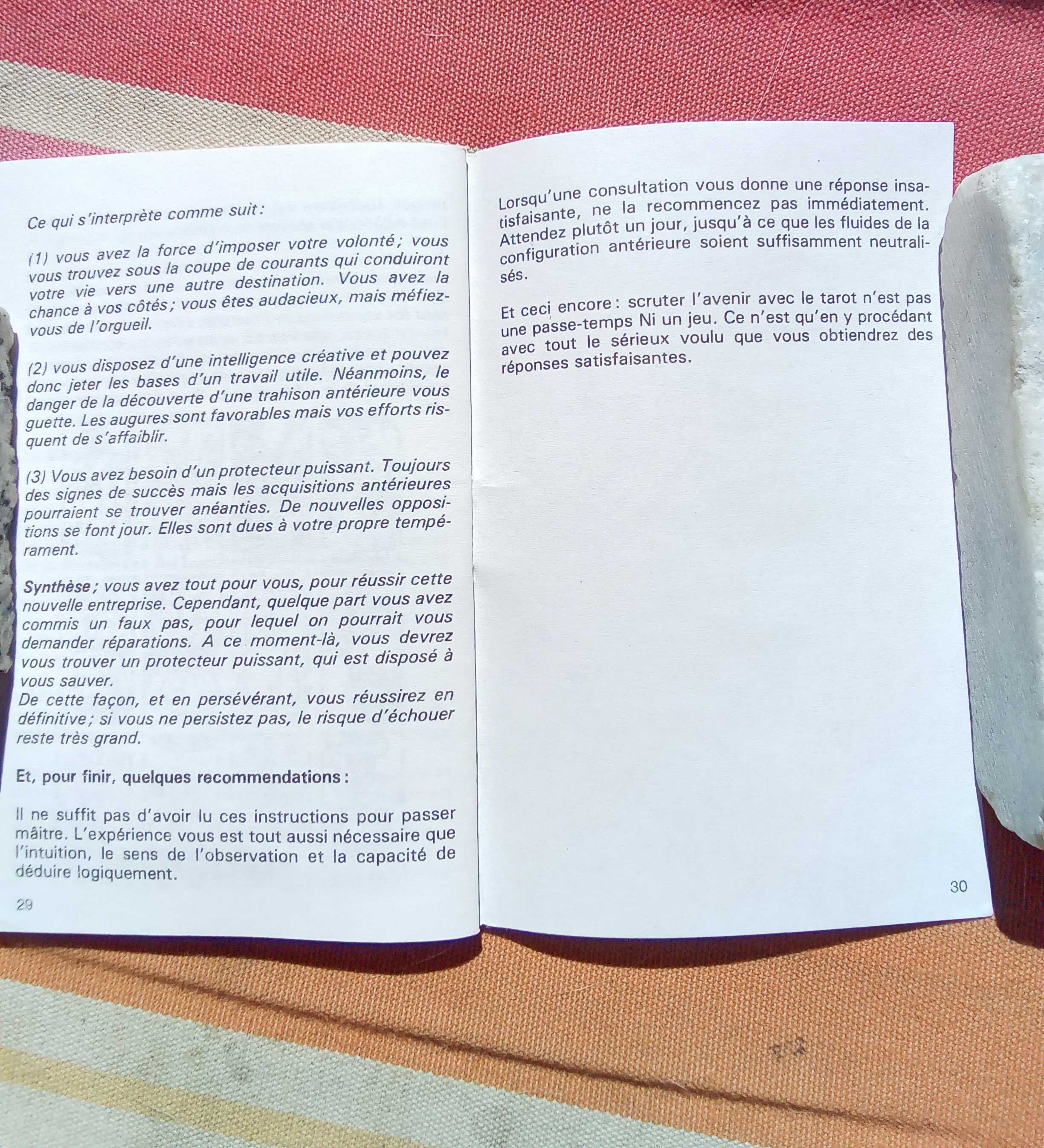
I was wondering if anybody knew something about this deck and its divinatory meanings, since I read that it does follow more vernacular meanings in cartomancy (more like the Tarocchino Bolognese), and also it would be wonderful if somebody had the booklet included in the package (which I'm missing) and was willing to send me pictures of that.
Thanks in advance!
(including some *not mine* pictures of the deck in question)
Re: VANDENBORRE BACCHUS TAROT
3If this is the version you have, you are in luck with the quality of cardstock! It is amazing!
Re: VANDENBORRE BACCHUS TAROT
4This is the one I have as well. It is a pleasure to handle.firecatpickles wrote: 16 Sep 2025, 15:55 If this is the version you have, you are in luck with the quality of cardstock! It is amazing!
Re: VANDENBORRE BACCHUS TAROT
5What I found of interest in the booklet was that the narratives for Batons and Swords went from the Ace to the 10, while for Cups and Coins it went from Ten to Ace. That of course corresponds to the order in the game (as the booklet says, in the latter, the value decreases as the number increases.) I have not paid much attention to Little White Books. Is this typical or rather unique? How far back do you think it goes? My guess is that it would go back at least to when the game with that order was popular, so the 19th or perhaps 18th century. Any comments?
Re: VANDENBORRE BACCHUS TAROT
6Thanks for posting the booklet Ross. I was given this deck some years ago, without the booklet.
Curiously, I note the reference to the 1770 review of Etteilla's work in l'Avant-Coureur, a journal of the time, which I've translated as part of a (forthcoming) series on Etteilla, his contemporaries and followers. Aside from one recent academic paper, I don't recall seeing any other mention of those reviews.