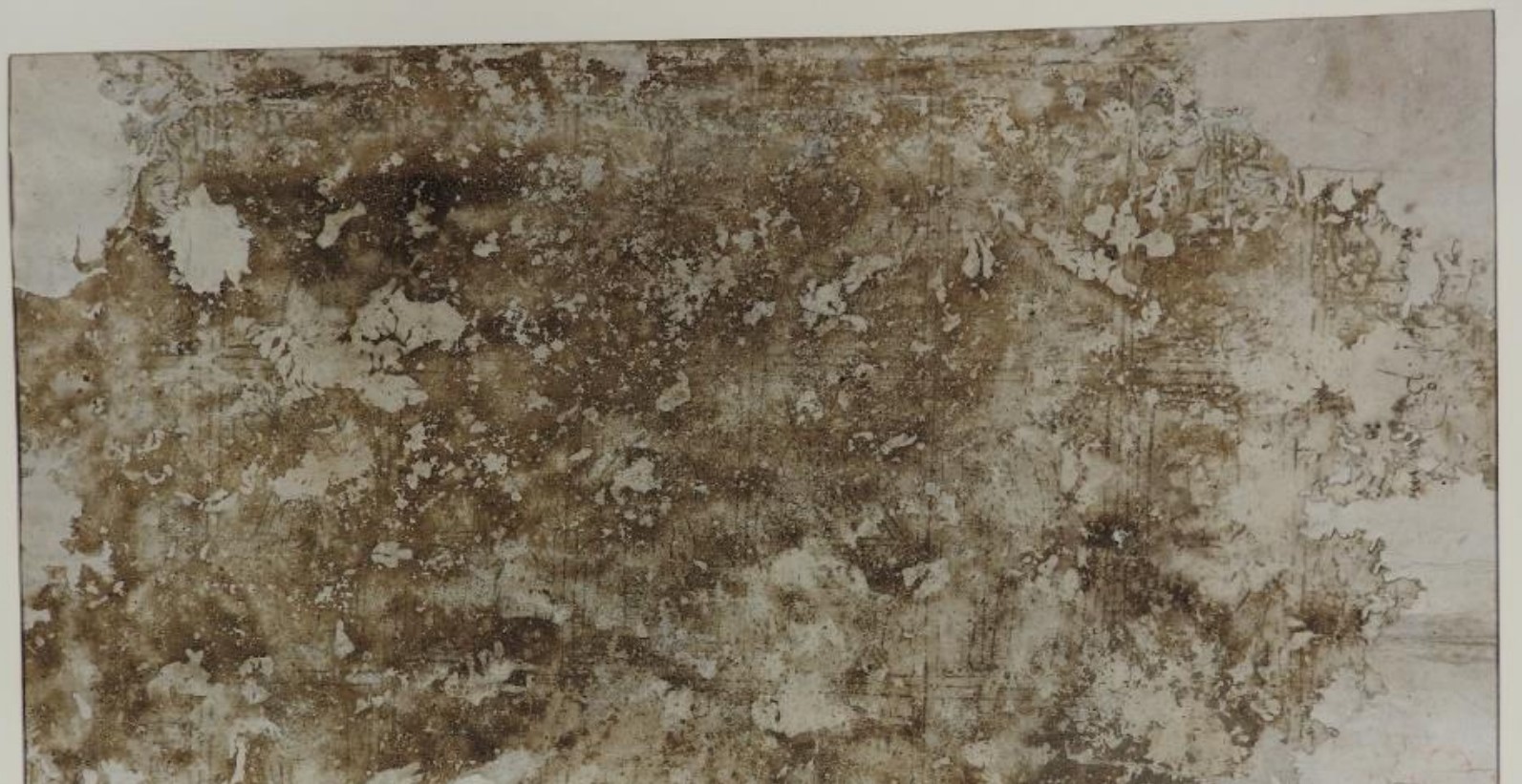
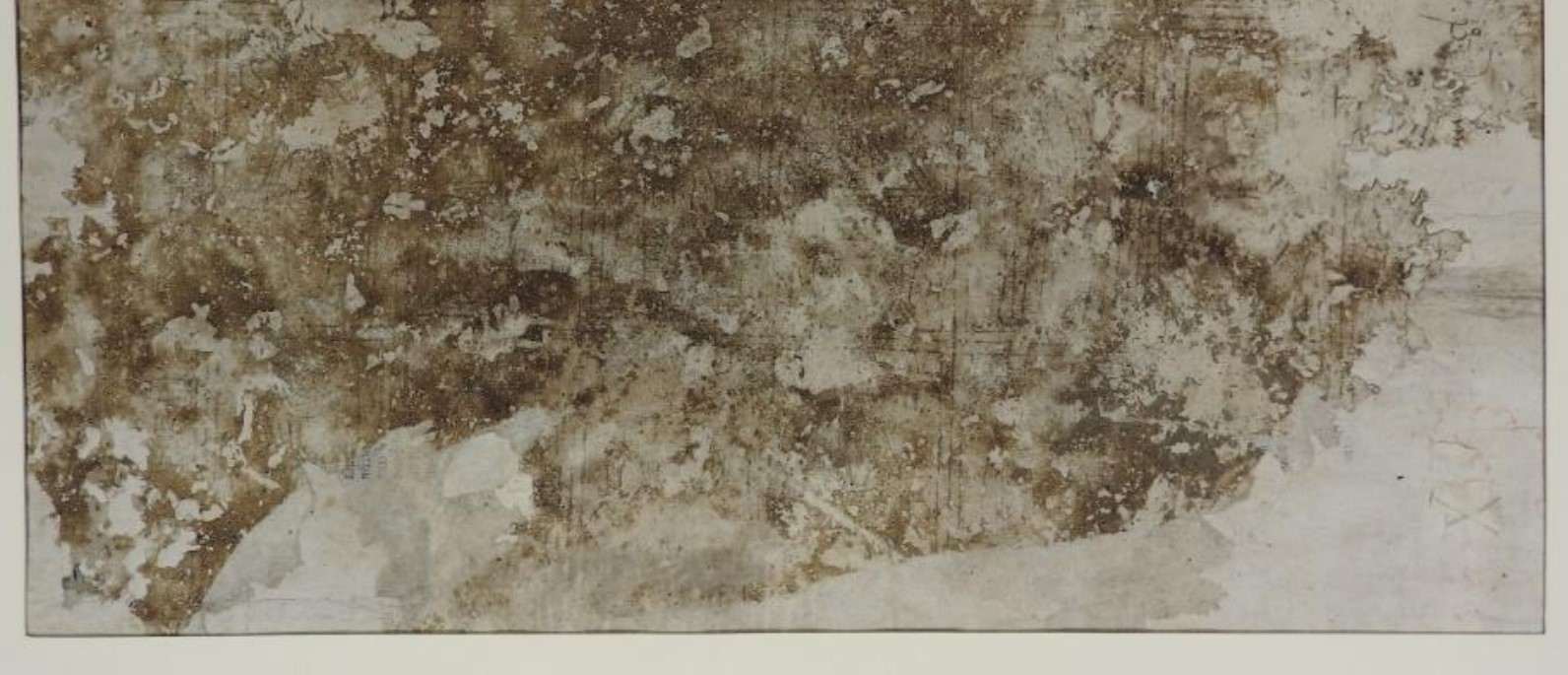
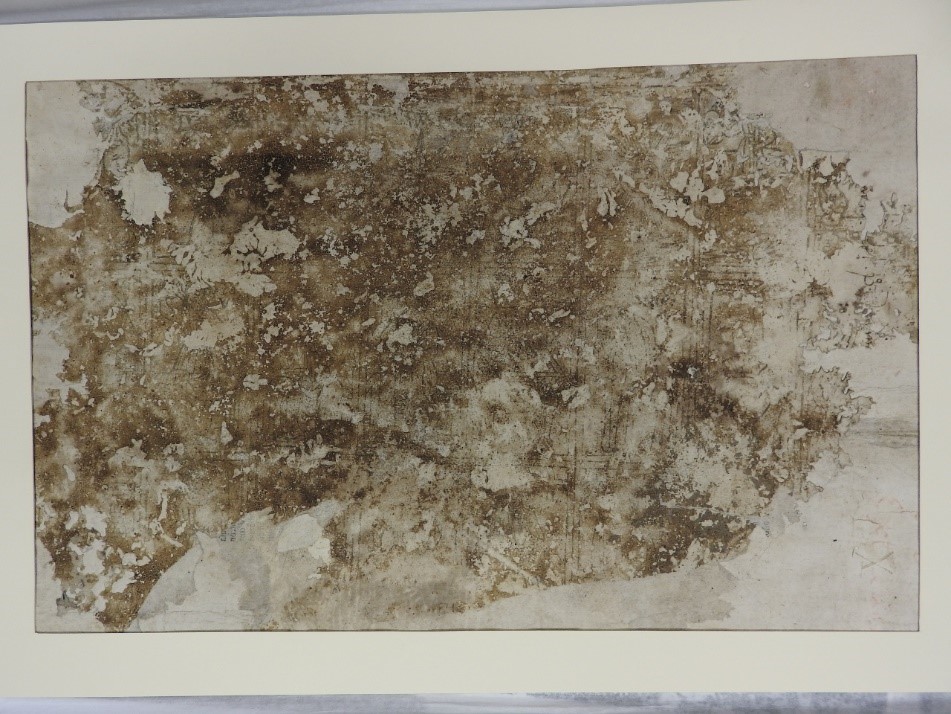
In April you wrote, quite accurately (viewtopic.php?p=26850#p26850)Whether this allows us to tentatively date the Rosenwald sheet to the 1460s, I don't know.
(Actually, the translation is at https://pratesitranslations.blogspot.co ... rugia.html.)The "Rosenwald sheet" in the National Gallery of Art, Washington, D.C., is of unknown provenance, but it has a heavily damaged twin in the Deutsche Spielkartenmuseum in Leinfelden-Echterdingen. In 2016 Franco Pratesi looked into it and its origin, and found that it was discovered together with pages from a book printed in Perugia in 1501. Therefore the cards themselves were most likely printed in Perugia as well. See F. Pratesi "Il terzo foglio Rosenwald" at https://www.naibi.net/A/516-ROSEN3-Z.pdf; Mike Howard's English translation here https://pratesitranslations.blogspot.co ... ne-27-2016)
Supposing that the Leinfelden sheet's twin is 1460 seems quite a stretch, unless the twins aren't close copies of each other. However, something like it, on a different sheet, seems quite possible. Saying anything more definite seems to me speculative; these Baldini prints would have circulated widely and could have been used as models at any time. But at least the Baldini dating is secure: the British Museum even says c. 1464, because the earlier version came with a calendar of the dates of Easter starting in 1465 (https://www.britishmuseum.org/collectio ... 1086427001):
The dating of these works is known because the original set must predate the cruder and smaller size copies, which can be fixed to the year 1465; indeed, the BM group of copies has a calendar frontispiece that reports the dates for the Easter from 1465 to 1517.